
The Case for Art, Neuroarts, Healing, and Nervous System Regulation
Why art/creative engagement? Why engage with creative practices?
The science behind engaging with art is not only compelling but proven.
Below, we offer some resources to explore as you consider your creative practice and why you might find healing through these practices, why you are drawn to them, or why you perhaps spontaneously started to engage with a creative practice.
We wanted to make sense of our experience with creativity during our healing journey, why we turned to art, and why it felt like one of the only things that was safe at the time.
These resources not only explained the “why” but also the “how.”
The science gave us the foundation for forming The Neuro: Community, Artist Residency & Mentorship.
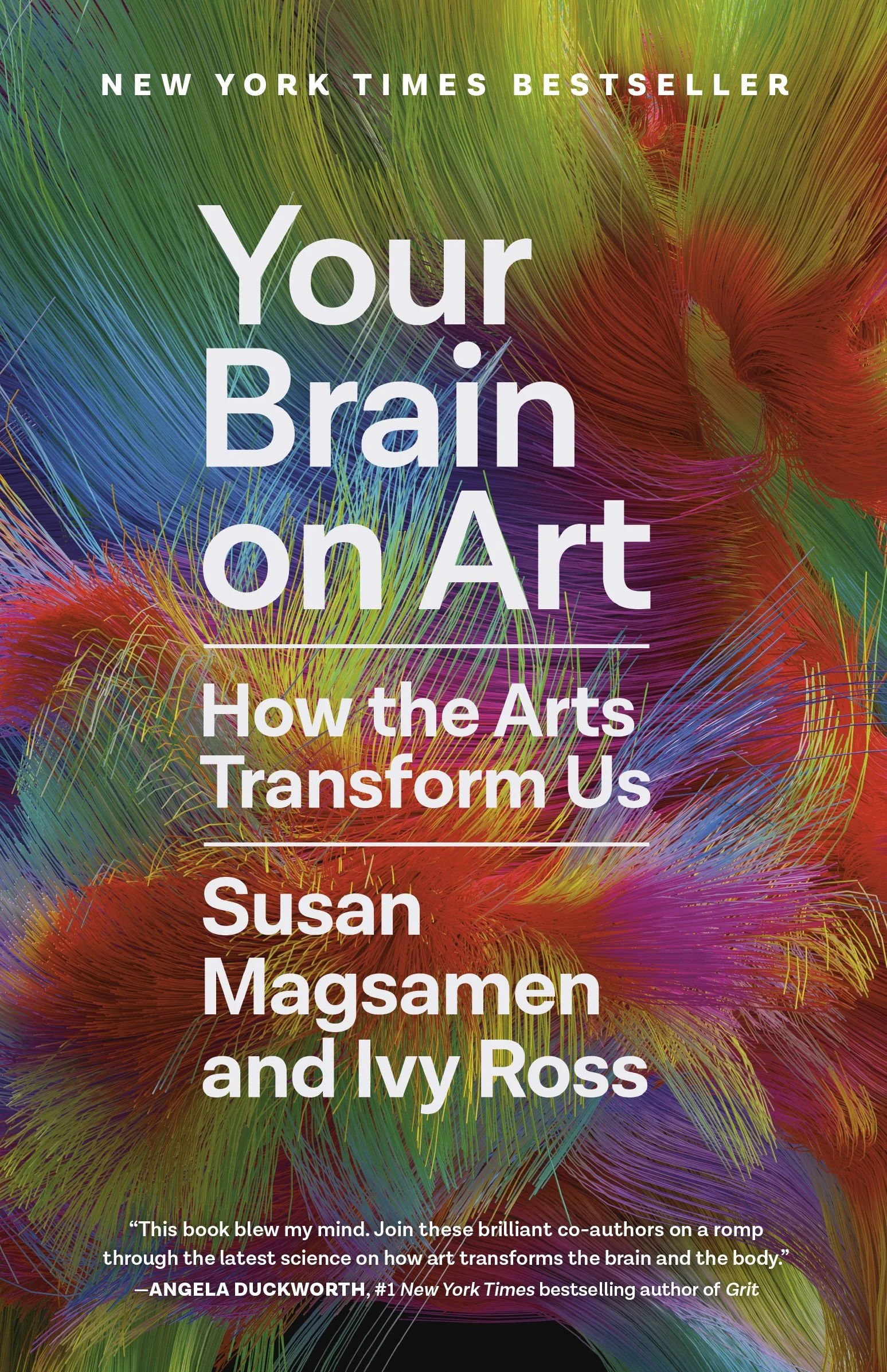
This book was pivotal in our founder’s experience as she sought to understand why she started making art after her traumatic brain injury.
Bessel van der Kolk is quoted as saying, “We had visual proof that the effects of trauma are not necessarily different from - and can overlap with - the effects of physical lesions like strokes.” The brain was reacting as if trauma was occurring, which helps explain why it can be so difficult for us to put the experience into narrative. “The words quite literally do not exist…” (p. 78)
Why art?
“When the Broca’s area (language and expression) of the brain shuts down, and language is detrimentally affected, individuals are still capable of making visual art. The insights gleaned through the act of making art in turn help the brain to begin to process trauma through language.” (p. 79)
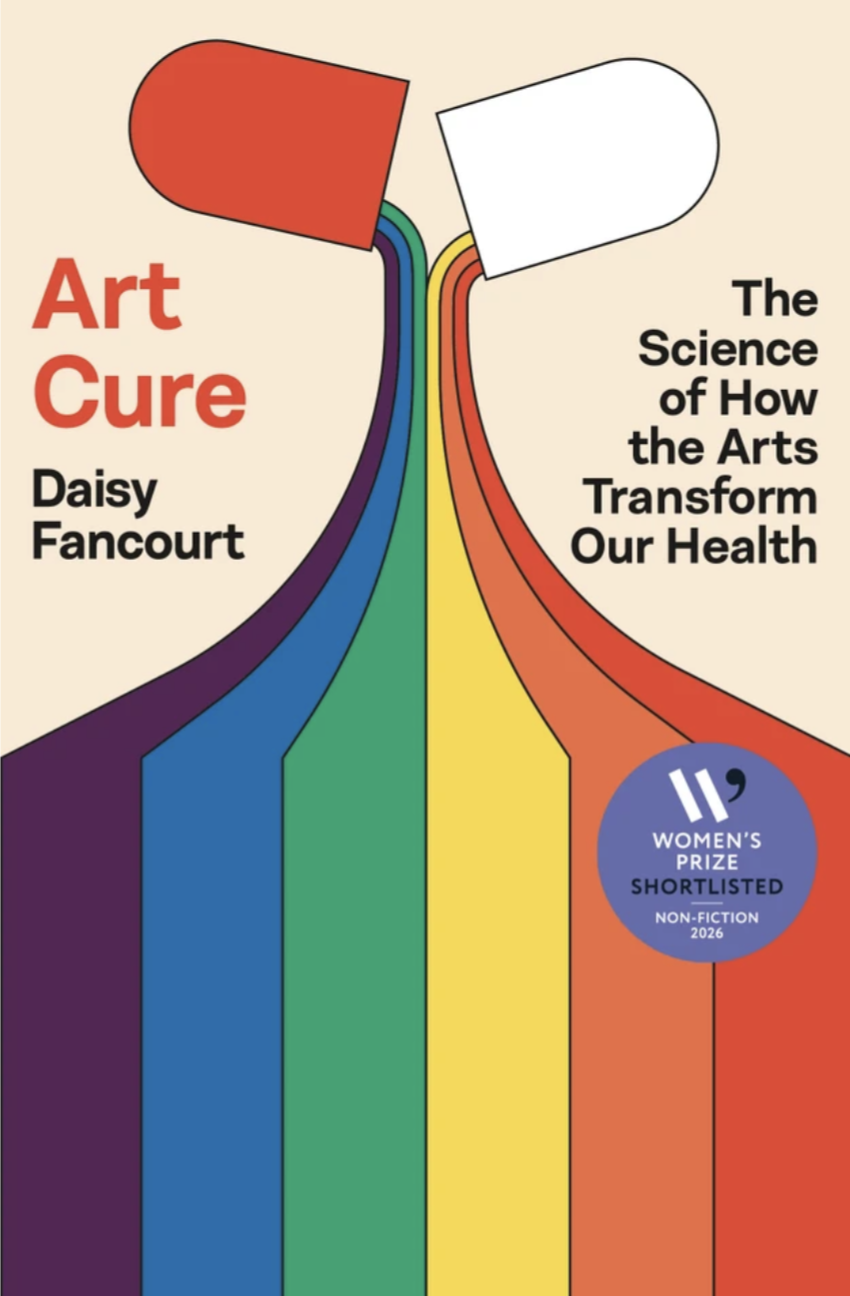
Daisy Fancourt, PhD, psychoneuroimmunology, takes her life’s work as a researcher and makes the case for Art as a healing modality.
“From cradle to grave, engaging in the arts has remarkable effects on our health and well-being. Music supports the architectural development of children’s brains. Artistic hobbies help our brains to stay resilient against dementia. Dance and magic tricks build new neural pathways for people with brain injuries. Arts and music act just like drugs to decrease depression, stress, and pain, reducing our dependence on medication. Going to live music events, museums, exhibitions, and the theater decreases our risk of future loneliness and frailty. Engaging in the arts improves the functioning of every major organ system in the body, even helping us to live longer.
This isn’t sensationalism, it’s science: the results of decades of studies gathering data from neuroimaging, molecular biomarkers, wearable sensors, cognitive assessments, and electronic health records. From professor Daisy Fancourt, an award-winning scientist and science communicator and director of the World Health Organization’s Collaborating Centre for Arts and Health, this book will fundamentally change the way you value and engage with the arts in your daily life and give you the tools to optimize how, when, and what arts you engage in to achieve your health goals. The arts are not a luxury in our lives. They are essential. (https://us.macmillan.com/books/9781250364531/artcure/)
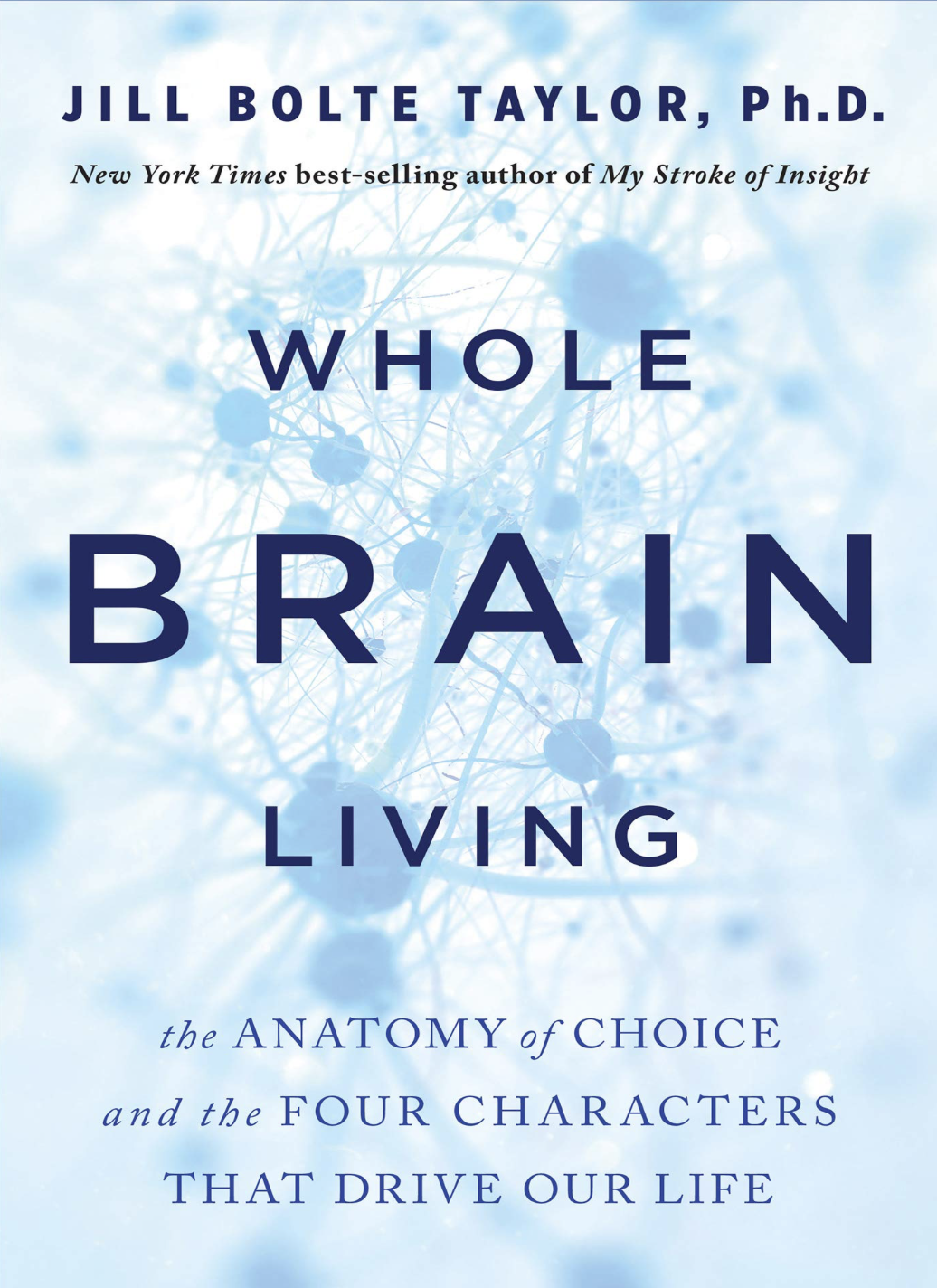
The renowned Jill Bolte Taylor, uses the lived experience of her stroke to help us all understand our brains, how they work, and how to work with it.
“The New York Times best-selling author of My Stroke of Insight blends neuroanatomy with psychology to show how we can short-circuit emotional reactivity and find our way to peace. Ranked #1 on Amazon in the following categories: Stroke, Neuroscience, Neurological Diseases, Nervous System Diseases, and Stress Management.
For half a century we have been trained to believe that our right brain hemisphere is our emotional brain, while our left brain houses our rational thinking. It is common knowledge in the world of neuroscience that our emotional limbic tissue is evenly divided between our two hemispheres, which means that each hemisphere has both an emotional module and a thinking module of cells. In this groundbreaking book, Dr. Jill Bolte Taylor describes how these four distinct groups of cells underly four distinctive and universal Characters that we each have: Character 1 – Left Thinking; Character 2 – Left Emotion; Character 3 – Right Emotion; and Character 4 – Right Thinking.
Everything we think, feel, or do is completely dependent upon brain cells to perform that function. Since each of our Four Characters stem from a unique group of cells that exhibit very specific skill sets, we can easily train ourselves to recognize which of these Four Characters we are embodying during any moment.
In Whole Brain Living, Dr. Jill introduces us to each of our Four Characters, shows us how to recognize them when they show up in our daily life, and then helps us identify the Four Characters in others so we can create healthier relationships.
Finally, Dr. Jill introduces a practice called the BRAIN Huddle—which is a tool designed to bring our Four Characters into conversation with one another, so we each have the power to choose which character we would like to embody in any situation.
The more we become familiar with each of the Four Characters in ourselves and others, the more power we gain over our thoughts, feelings, relationships, and overall lives. When our Four Characters work together and balance one another as a whole brain, we gain a radical road map to our own deep inner peace. We really do have the power to choose who and how we want to be in every moment – regardless of our external circumstances. “ (https://drjilltaylor.com/whole-brain-living/#)
Again, we have Daisy Fancourt, this time with Saoirse Finn, as authors of a scoping review on the role of the arts in health and wellbeing.
Within the first pages, we see the world of neurodisruptions emerge as a subtheme.
“ In relation to management and treatment (section 2.2), several additional subthemes were identified” (p.7).
“How the arts help to support people with neurodevelopmental and neurological disorders (including autistic spectrum disorder (ASD), cerebral palsy, stroke, other acquired brain injuries, degenerative neurological disorders and dementias)” (p.7).
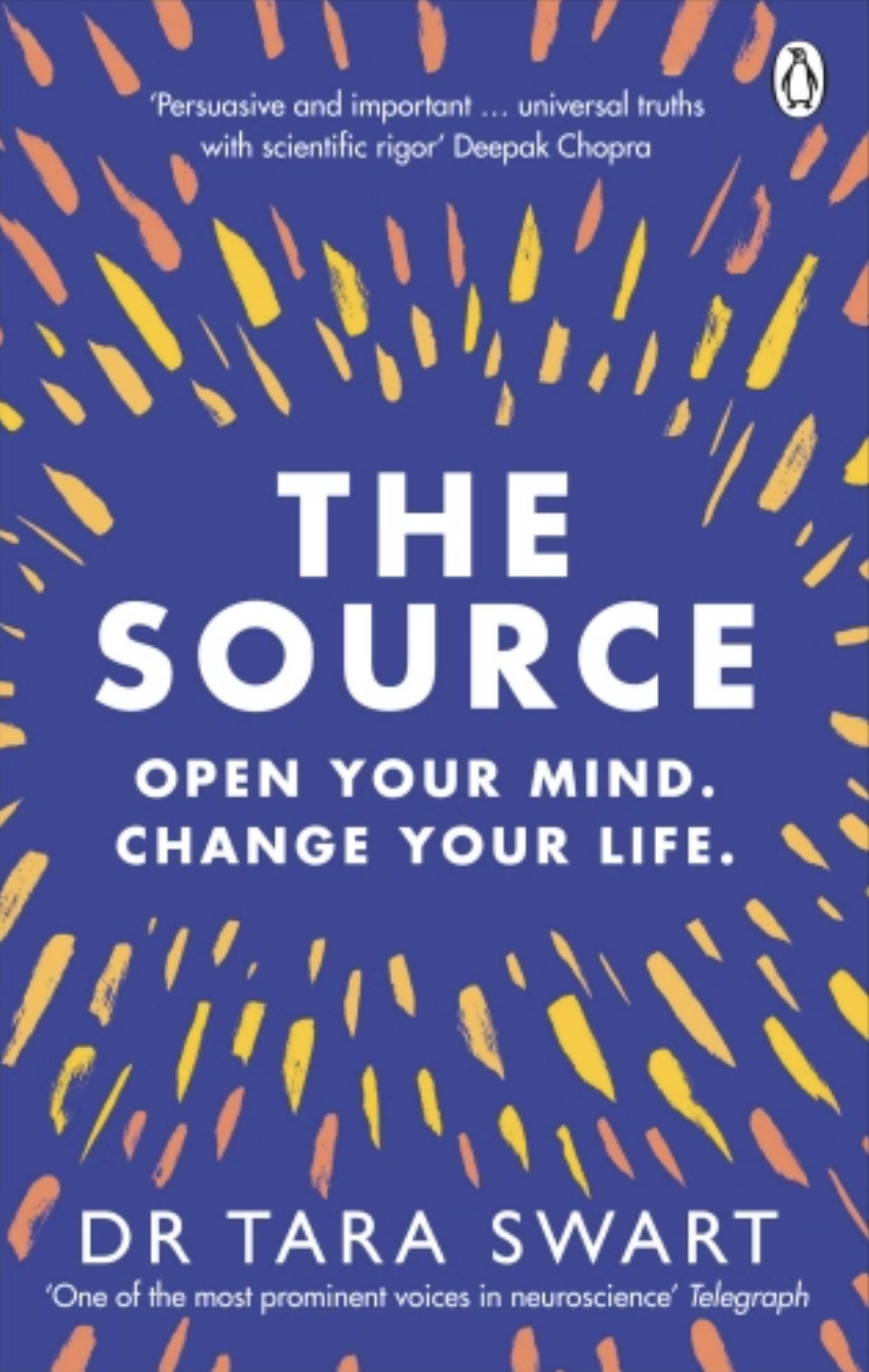
What we love about this book is how Dr. Tara teaches us about brain health and how to take care of our brains. These things make so much sense when we witness ourselves and our brains heal. This book is foundational in taking agency in our healing process and better understanding how breathing, moving, and eating support the brain’s daily process.
“As Dr. Tara Swart, psychiatrist, neuroscientist, and Senior Lecturer at MIT shows us in The Source, if we can strip away our skepticism, these ancient tools of manifestation and visualisation are fundamentally powerful and incredibly effective at freeing us of self-limiting behaviours and propelling us toward our truest, most authentic selves. Swart reveals how and why these systems actually work by offering the latest breakthroughs in neuroscience and behavioural psychology, including lessons in neuroplasticity, magnetism, emotional and logical thinking, and even hydration, self-care, and relaxation.
Next, she describes her own journey from skeptic to believer, and guides readers through the scientific breakthroughs and personal revelations that changed her from an unhappy, close-minded, and disconnected woman wanting more from life, to a successful entrepreneur living with confidence, purpose, and joy. The truth is, most of the things we want—health, happiness, wealth, love—are governed by our ability to think, feel, and act—in other words, by our brain. Dr. Swart combines the insights and inspiration of The Secret with the practical lessons of The Master Key System to help a new generation fulfil their dreams. The Source is a rigorous, proven toolkit for unlocking our minds—and reaching our fullest potential.” (https://www.taraswart.com/the-source/)
The case for Neuroarts
We LOVE our friends at the NRC! Here you can find an entire world of resources, from research to programs, to practitioners, to scientists, and everything related to the intersection of neuroscience and the arts.
The Neuroarts Blueprint Initiative is the “what” and the “who,” and the case for the field of Neuroarts.