
The Case for Art, Healing, and Nervous System Regulation
Why art? Why engage with creative practices?
The science behind engaging with art is not only compelling but proven.
Below, we offer some resources to explore as you consider your creative practice and why you might find healing through these practices, why you are drawn to them, or why you perhaps spontaneously started to engage with a creative practice.
We wanted to make sense of our experience with creativity during our healing journey, why we turned to art, and why it felt like one of the only things that was safe at the time.
These resources not only explained the “why” but also the “how.”
The science gave us the foundation for forming The Neuro: Community, Artist Residency & Mentorship.
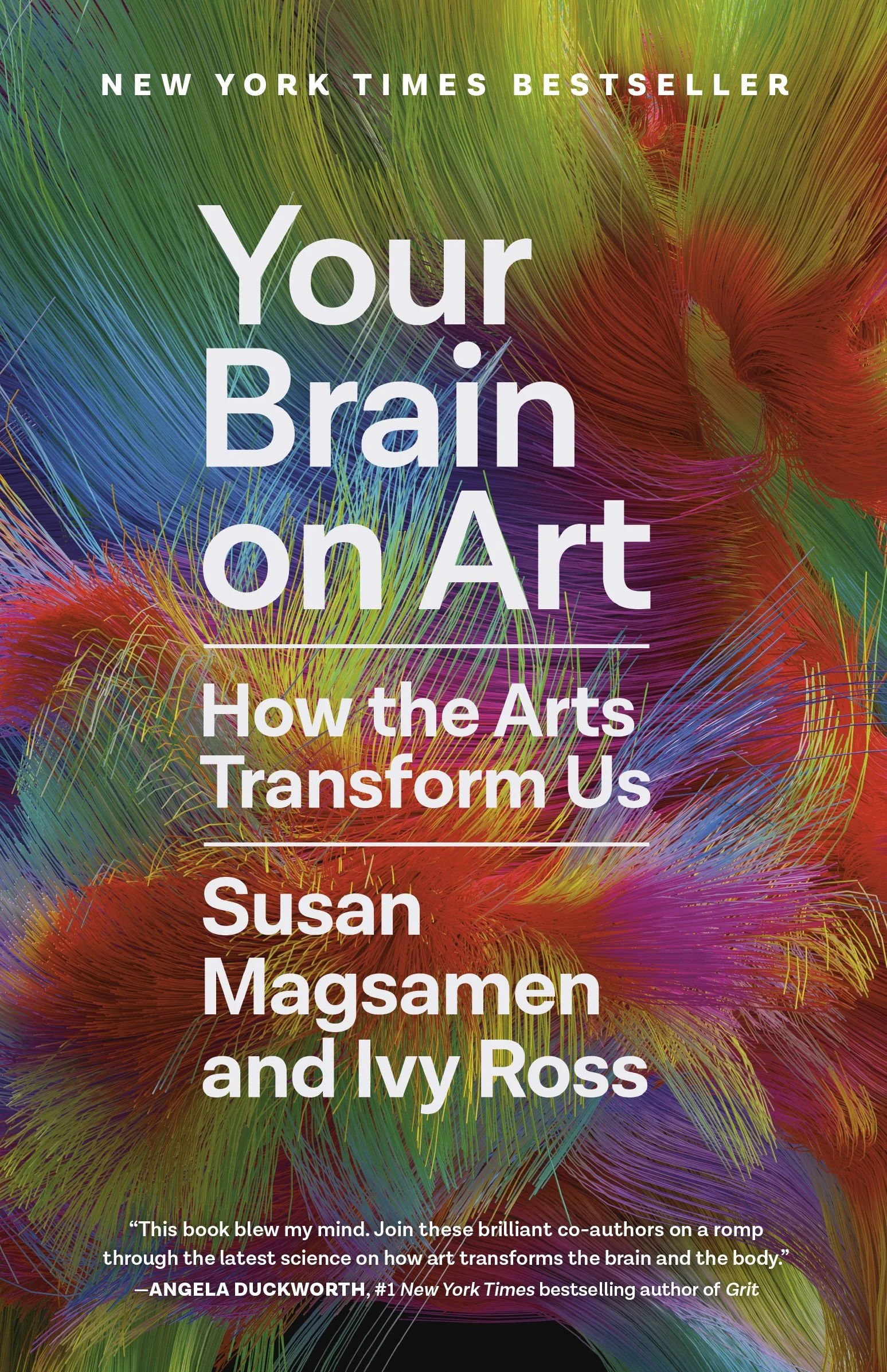
This book was pivotal in our founder’s experience as she sought to understand why she started making art after her traumatic brain injury.
Bessel van der Kolk is quoted as saying, “We had visual proof that the effects of trauma are not necessarily different from - and can overlap with - the effects of physical lesions like strokes.” The brain was reacting as if trauma was occurring, which helps explain why it can be so difficult for us to put the experience into narrative. “The words quite literally do not exist…” (p. 78)
Why art?
“When the Broca’s area (language and expression) of the brain shuts down, and language is detrimentally affected, individuals are still capable of making visual art. The insights gleaned through the act of making art in turn help the brain to begin to process trauma through language.” (p. 79)
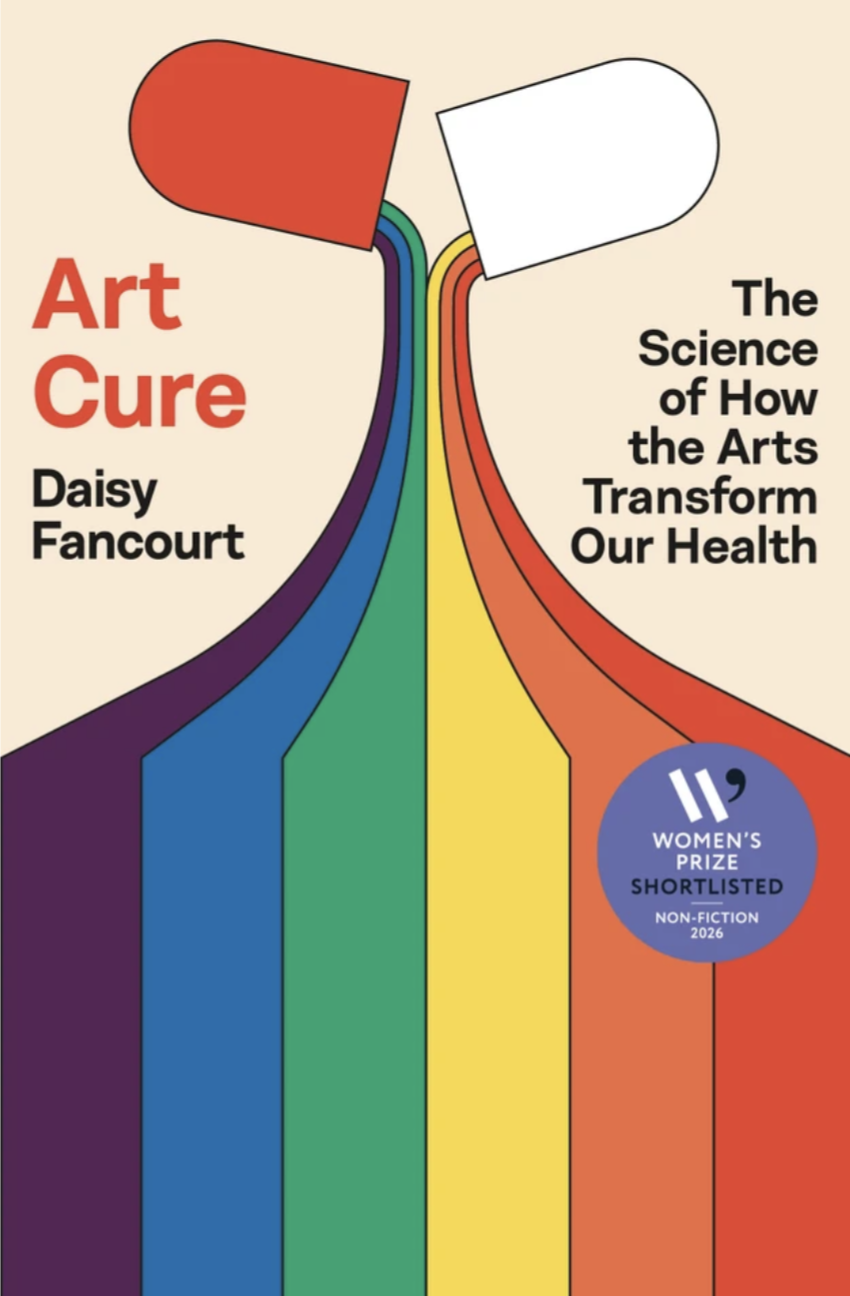
Art Cure
Daisy Fancourt, PhD, psychoneuroimmunology, takes her life’s work as a researcher and makes the case for Art as a healing modality.
“From cradle to grave, engaging in the arts has remarkable effects on our health and well-being. Music supports the architectural development of children’s brains. Artistic hobbies help our brains to stay resilient against dementia. Dance and magic tricks build new neural pathways for people with brain injuries. Arts and music act just like drugs to decrease depression, stress, and pain, reducing our dependence on medication. Going to live music events, museums, exhibitions, and the theater decreases our risk of future loneliness and frailty. Engaging in the arts improves the functioning of every major organ system in the body, even helping us to live longer.
This isn’t sensationalism, it’s science: the results of decades of studies gathering data from neuroimaging, molecular biomarkers, wearable sensors, cognitive assessments, and electronic health records. From professor Daisy Fancourt, an award-winning scientist and science communicator and director of the World Health Organization’s Collaborating Centre for Arts and Health, this book will fundamentally change the way you value and engage with the arts in your daily life and give you the tools to optimize how, when, and what arts you engage in to achieve your health goals. The arts are not a luxury in our lives. They are essential. (https://us.macmillan.com/books/9781250364531/artcure/)
What Sets Us Apart
People-First Approach
Everything we do is built around understanding your needs and helping you succeed—because when you thrive, so do we.
Long-Term Relationships
We’re not just here for the now. We love creating lasting relationships with our clients and growing with them over time.
Proven Process, Flexible Execution
We bring structure where it counts and adaptability where it matters. Our methods are clear, but always responsive.